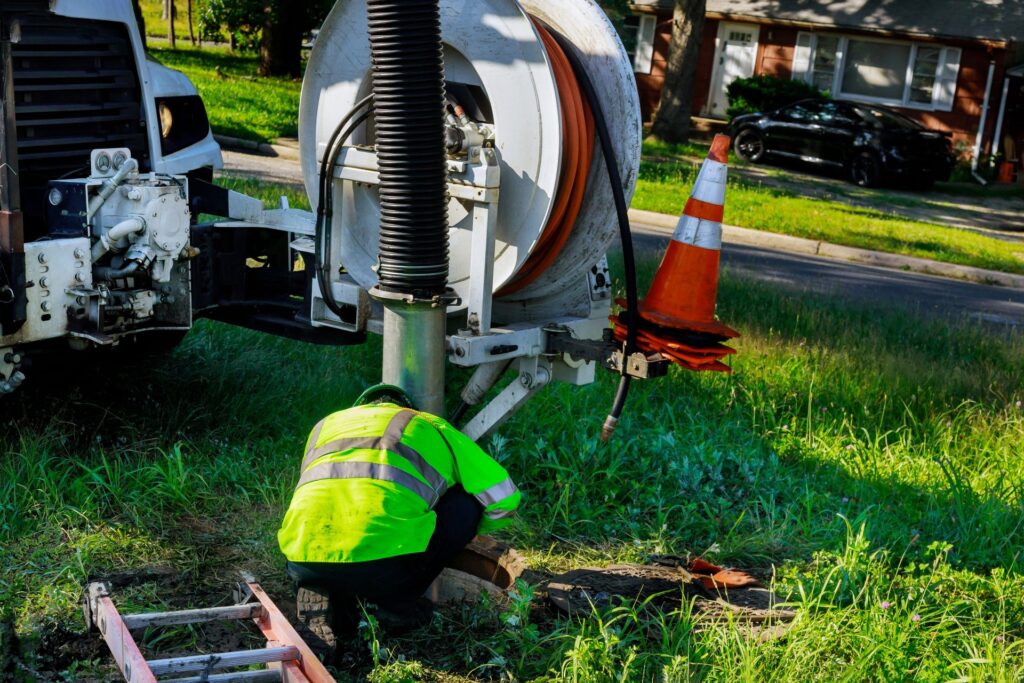
As an Ontario homeowner, understanding the nuances of your drainage system is crucial for maintaining a secure and operational residential environment. Amid unpredictable weather patterns and increasing urban density, emergency drains have become an important topic for every homeowner. Whether you're dealing with severe rainfalls that can submerge basement drainage or tree roots that penetrate sewer lines, being preemptive about your drainage can save you both time and costs in the future.
This article aims to guide you through the different aspects of emergency drains, from identifying potential issues before they worsen to understanding the optimal solutions available. We'll examine crucial concepts such as closed-circuit television sewer camera inspections, no-dig sewer repair methods, and the required precautions for bad weather events. By furnishing yourself with insight about your drainage system, you can make wise decisions that protect your property and boost its value.
Frequent Factors of Drainage Problems in Ontario's Homes
One widespread challenge affecting plumbing in Ontario houses is tree root intrusion. As Sewer drain cleaning grow, their root systems can invade clay sewer pipes, causing cracks and clogs. This issue is notably common in South Ontario where the soil types and lush vegetation create ideal ground for trees to grow. Homeowners often see the symptoms of root intrusion manifesting as drainage slowdown, unexpected wastewater overflows, or even sewer line failures.
Another notable cause is the use of inadequate substances or techniques in older homes. Sewer line replacement in Ontario's have ferrous or clay lines that rust over time, leading to mineral buildup and eventual failures. Sewer drain cleaning may also encounter sunken sewer lines, which can cause backups and drainage problems. Examining these older systems with methods like CCTV sewer camera surveys can reveal concealed issues and determine necessary maintenance.
Finally, heavy rains and poor drainage systems can exacerbate issues within a home's plumbing. When the downspouts are improperly connected to the sanitary sewer system, exorbitant water can overwhelm the lines, leading to overcharges and deluges. In areas vulnerable to heavy clay soils, providing proper drainage and managing groundwater with approaches like tile drains becomes essential in preventing these typical drain concerns.
Preventative Steps for Drain Maintenance
Routine maintenance is essential for the durability and effectiveness of your home’s drainage system. Homeowners should establish a practice of conducting routine visual inspections of their drainage systems and plumbing fixtures. Look for signals of obstruction, such as slow-draining sinks or bad odors. Furthermore, keeping an eye on your yard’s drainage can help recognize issues before they become serious. Making sure that drain pipes are pointed away from the foundation and that gutters are clean can greatly lower the risk of water infiltration into your lower levels.
Using appropriate materials down the drains is important in stopping costly blockages. Many homeowners mistakenly dispose of items like grease, coffee grounds, and hygiene items in their lavatory or basin. These materials can lead to major blockages and damage to sewer lines. Teaching your household on what should and shouldn’t go down the drain is a simple yet effective way to care for your pipes. Consider using filters in sinks and shower drains to trap debris and limit what enters your pipes.
In conclusion, scheduling professional inspections and maintenance can protect homeowners from unexpected urgent repairs. Using services like CCTV sewer camera inspections can reveal hidden issues that may not be immediately apparent. Regular hydro jetting can also help maintain clear lines and prevent buildup before it becomes a problem. By being anticipatory and putting resources in proactive services, Ontario homeowners can significantly reduce the chance of drain emergencies and enjoy peace of mind throughout the year.
Emergency Actions for Drainage Problems
When dealing with a drainage emergency, quick action is essential to limit harm to your home. If toilet fixtures or basements flood, the first step is to halt using all water sources in the property to avert further backup. It’s critical to examine the situation and find out if the issue is localized to a single fixture or if several drains are involved, which could point to a broader problem within the sewer lateral.
If you think there is a serious obstruction, contemplate contacting a certified Ontario drain contractor who can perform emergency drain cleaning. They can use methods like hydro jetting or snaking to remove serious blockages efficiently. Having a licensed expert handle the situation not only guarantees security but also uses professional equipment to fix the issue thoroughly, minimizing the risk of repeat emergencies.
After resolving immediate issues, it’s wise to conduct a comprehensive inspection to identify the root source of the problem. For instance, implementing a CCTV sewer camera inspection can help diagnose potential lateral line issues that could lead to recurring issues. Regular maintenance, combined with proactive measures such as anti-backflow valve setup or sump pump systems, can protect against future drain emergencies, ensuring your property remains protected from sewer backflow and water damage.